A technique that many farmers use from year to year, is an art called CROP ROTATION. My father and grandfather use this technique as well, it prevents the build up of pests and other unwanted pathogens.
Diagram of 4 crops being rotated from year to year
What is crop rotation?
Crop rotation is a practice that many crop farmers use that involves the growing of a series of different crops in the same area from season to season, rotating which crop is in which field each season, to gain benefits from the yield. The benefit of using crop rotation is to avoid the build up of pathogens and unwanted pests that often occur when a specific plant species is grown in the same field continuously. Crop rotation can also improve soil structure and fertility.
Why use crop rotation?
Crop rotation avoids a decrease in soil fertility, as growing the same crop in the same place for many years in a row disproportionately depletes the soil of certain valuable nutrients. With the rotation, a crop that leaches the soil of one specific nutrient, is followed during the next growing season by a crop that returns that specific nutrient to the soil. By using crop rotation, farmers can keep their field under continuous production, without the need to allow them to lie without crop for a year in order to gain back fertility. Crop rotation also reduces the need for artificial fertilizers, which can be expensive. By rotating crops throughout each field from year to year, nutrients is added to the soil. A very common modern crop rotation is alternating soybeans and corn, one provides the nutrients to the soil that the other takes away. Crop rotation is also used to control pests and diseases that can become established in the soil over time. Plants within the same group or family tend to have similar pests and pathogens. By regularly changing the planting location, the pest cycles can be broken or limited.
So there you have it, the reason why farmers use crop rotation as a form of farming used for gaining higher and more nutritious yields from crops. If you have any questions about crop rotation, please feel free to ask! -Jess
Growing up on the farm has always been something that I enjoyed, and something I will always enjoy. I love being able to make a quick trip outside to visit my father at work. I love being able to leave my blinds open and be fairly confident that the closest peeping Tom is the bull in the pasture. I love the lifestyle that comes with the agricultural industry.
Today is my older sister Sam's 20th birthday. She is no longer a teenager, and it seems every year her life is making her become more and more of an adult. She was part of the Canadian Cattlemen's Association's Cattlemen's Young Leaders program as well as the Five Nations Beef Alliance Young Rancher's program this past year, and since than has spoken a great deal about getting our story out to our consumers and how important it is as farmers to get involved in the industry and to speak out! Another thing that she always mentions is the rising age and the declining population of farmers, not only in our area, but all over the world.
With a declining amount of farmers and a rising age, soon we will have none left. Imagine a world without farmers. There would be little to know food, not only meat products, but also vegetables and grain products.
This really woke me up to that issue, one which I had never really pondered.
The Summer Synergy Livestock Show makes me feel like there is hope for our industry, after all, we are the future of the industry! The Summer Synergy show is a show which was started to "synergize" (join) many of the already established livestock shows, as well, to join different types of show animals so that we could all learn about one another and get to meet new people.
What a fabulous idea! Have young ranchers from all different backgrounds such as: sheep, beef cattle, dairy cattle and heavy horse, join together to compete. This helps the youth to all meet new people, and potentially new business partners! It also helps to inform and involve youth about different breeds of animals, as well as different types of animals! If the young ranchers can figure out how to work together and work in harmony with one another, what a great industry we will have in a few years! As a young rancher, I know I am the future, and I love that idea!
Want to hear from some more young ranchers?? Check out this video filmed at the National Western Stockshow, my sister speaks in it! These young adults are the near future!
Hope you liked the video! I sure did! Now I must get back to my sister's birthday! Thanks for reading!
In order for you to understand the reason why farmer's use silage as a form of feed for certain livestock, I have decided that many of you probably don't know exactly what silage is! So first off I'll inform you of the benefits of silaging and why farmers choose to use it as a food source for cattle, horses, and sheep.
What is Silage?
Silage Pit equipped with Tarp
Silage is fermented, which means the process which converts sugars to acids and traps any oxygen present in the crop material and is essentially complete after about two weeks, and a high moisture animal feed which is often fed to livestock including cattle and sheep. Silage is fermented in a process called silaging and is usually made from grass crops including corn and other cereal crops. Silage is made either by placing cut green vegetation is silo, by piling it in a large heap covered with a plastic sheet to keep the moisture in, or by wrapping large bales in plastic film. Silaging is often done during the end of summer and into early fall, when the crop is at it's highest yield.
How to make Silage? Silage must be made from plant material that is high in moisture content, this content can go up or down depending on the storage area of the silage and the amount of water that will be lost in storage. For corn silage, harvest begins when the whole plant moisture is at a suitable level. For pasture crops, the silage grass is mowed and allowed to wilt for a day until the moisture content drops to a suitable level. The plant material is then collected, chopped into small pieces, usually 1.3 cm in length, and packed. Current technology of silaging uses mechanical forage harvesters that collect and chop the plant material, and deposit it in trucks or wagons. these forage harvesters are often pulled behind a tractor. Harvesters blow the silage into the wagon, driven beside the tractor, via a chute at the side or rear of the machine. Once the silage is cut, a fermenting process must take place, and then the silage is packed into one of the three storage areas. On our farm, we use a silage pit. Since we don't own a mechanical forage harvester, our farm hires a custom silaging company to cut and forage the silage crop. My grandpa and dad then use tractors to dig a hole into the soil, usually in a moist field, and then begin to construct the pit. Once all of the silage is piled into the pit, large tractors are driven over top of the silage, in order to pack and seal the silage. This prevents oxygen from getting into the silage, and keeps nutrition value. Once packed down, a large, thick tarp is placed and pulled tightly over top of the pile to keep the silage sealed and fresh. Once winter come's, our beef cattle need the silage as a form of food, so each morning my grandpa uses a tractor with a silage wagon attached to the back of it and pulls it through the field with the cattle. The silage wagon delivers a long stream of silage across the pasture, and the cows line up to eat!
Tractor packing down the silage pit!
How does a farmer store Silage? Silage must be firmly packed to minimize the oxygen content, or it will spoil. The idea behind silage is to keep it as moist as possible, this allowing the best yield of the crop and the highest nutrition value for livestock which will eat the crop. Many farmers store their silage produce in silo's, which are large metal bins, sealed completely to avoid any contact with oxygen from the outside. In a silo, silage must be firmly packed in order to minimize the oxygen content, or it will spoil. Here are four major steps in which silage goes through as it is entered into the silo:
- Presealing: which enables dry matter loss, keeping the silage full of moisture
-Fermentation: which occurs over a few weeks, and ensures that no oxygen is circulating through the silage crop
-Infiltration: which enables some oxygen infiltration
-Emptying: Which exposes the surface of the silage, and a small amount of moisture is lost from the crop
Does Silage have good nutrition for livestock?
Silage Silo for Dairy Cattle
Silage retains a much larger portion of its nutrients from being kept with lots of moisture, as opposed to being a dried and kept crop, such as hay. The ensiling process of silaging preserves forages, but does not increase the nutrition value. Bulk silage is often fed to dairy
cattle, while baled silage tends to be used for beef cattle, sheep, and horses. These four types of livestock are all anaerobic digesters, meaning that the microorganisms living within the bodies of these animals break down biodegradable material in the absence of oxygen. Anaerobic digestion allows the livestock to gain energy and nutrition from the silage in a metabolic process.
Does Silage have a high nutrition value for livestock?
Dairy Cattle eating Silage from a Feeder
Yes, silage has a very high nutrition value for livestock. However, only certain animals are able to eat livestock due to the need for anaerobic digestion. It is very important for livestock to receive as much nutrition as possible, and because silage is packed full of value, farmer's often use it as a source of winter feed. So there you have it! The reason why farmer's use silage as a form of feed for livestock, if you have any questions please feel free to ask!
Livestock is in the ring with buyers surrounding and making bid
In the agriculture industry, when a farmer/rancher's livestock herd need to be sold for a profit, it is most often that they will take their livestock to the Auction Market. An auction market is a system in which buyers enter competitive bids and sellers enter competitive offers simultaneously. The buyers compete by bidding with money value, often in a dollars/ pound ($/lbs)ratio. Whichever buyer has the highest bid, is classified as the owner of that particular head of livestock. Many farmers link private sales directly off of their farm, meaning that the livestock is sold to the private buyer and the sale is negotiated through only the personal buyer and seller. Each town or city usually has an auction mart available for livestock producers, but a producer can sell their livestock at any auction mart they choose, as long as the auction mart is equipped for that particular type of livestock, and as long as each of the animal's have a manifest filled out. A manifest must be filled out and signed by the seller, addressed to the auction mart in which he/she chooses to sell through. The manifest insures that the livestock were transported safely by the driver of the livestock load, as well it creates traceability back to where the animals came from. Before the driver of the livestock is allowed to start the vehicle, they must ensure that each head of livestock has a proper manifest filled out for them. It is illegal to transport livestock in which are going to either the auction market or to a private auction without a manifest. The manifest also ensures that the livestock made it to their destination safely.
Livestock Manifest
Before an animal can be sold in an auction mart, they must be tagged, branded, or tattooed with the farm symbol of their previous home. The reason for this is to ensure that the animal has proper traceability for health reasons, and is being sold legally from the correct seller. It has recently become law in the cattle industry that every head of cattle must have an RFID button, showing traceability, health, and determining which farm they originated on when being sold at the auction mart. A seller has the option to choose 1-1 million head of livestock, the larger the number of head, the longer in advance the seller has to book a spot to sell in the auction. Most auction market's only have a sale day once every work, so both buyers and sellers need to be aware of that date in order to attend the sale, as well as book as spot. Often, a buyer is not there strictly to purchase livestock for him/herself, they may be sent in by larger companies or organizations. When a bidder has made the decision on which livestock he/she would like to purchase, they must raise their bidding card or their hand, to let the bid watcher know that they would like to proceed further on with the bidding of the sale. The highest bidder wins!
Cattle Feedlots also send in buyers to the auction market, these buyers are in search of beef steers. The feedlot owner feeds the beef steers on the feedlot, causing them to gain more weight up to a certain size which is desired for the proper cuts of meat. Once the animal is of desired size, large companies and corporations will buy the beef steer off of the feedlot for their own use. This means that cattle that are raised on a farm, are then sold in an auction market to buyers from feedlot. Once these animals are of weight, the animal then gets butchered and sold to a larger corporation which sells to the consumers of the world.
Certain auction markets allow only certain types of livestock. Often, auction markets with a large amount of space, in a well known region offer auctions with more types of livestock. Auction marts with a small livestock holding capacity often only sell the main and most popular types of livestock. Auction markets are also great supporters of the community. For three years out of my eight years in 4-H, the Rimbey Auction Market has been a purchaser of my steer. No, they don't keep my steer's meat for themselves, they simply purchase my steer for $1.00 or more higher than the going rate at the auction market, in support of the 4-H club, and as a thank you to my father and grandfather for doing business with them. Then, they resell my steer on sale day at the auction market, making no profit on the steer. I think it's incredible to see such a large business finding ways to support its clients. Ever since I was age 3, I loved attending the cattle auctions at the Rimbey Auction Mart. There were always two cats lurking the stands, waiting for someone to play with them. While my dad and grandpa were out back unloading the cattle and preparing for the sale, I would sit in the warmth of the stands and play with the two cats, one orange and one grey. This made my trip to the auction mart very enjoyable, often every week that I went!
Every auction market has a certain number of important staff members. As the sale is going on, a auctioneer, known as the man/woman that runs the sale, continuously keeps the price of the livestock increasing, due to the number and amount of bids that are made for that particular animal. There are also auction mart marshals, their main job is to keep the sale running smoothly, safely, and legally. If a marshal catches an illegal action, they have the right to give a ticket to the accused. Three years ago, my father was hauling cattle into the auction mart, and he got stopped by the marshal. A law had been made that all stock trailers must have straw or rubber matting on the floor, to protect and comfort the livestock. Apparently my dad had not had enough time to install rubber mats into the brand new trailer, and because of this, he could have been fined. Since it was his first offence, he was let off with a warning!
Man in the center of the photo is the Auctioneer
Farm Clearance Sale
In order for livestock producers to make a profit, they must sell their livestock in a sale at the auction market, or arrange a private sale. Not only do auction markets sell livestock, ranchers and farmers who want to sell out their farm can book the auctioneer to come sell their farm or ranch. This is often called a farm clearance sale. During a farm sale, livestock, machinery, equipment, and land is often sold. Auction markets are a huge part of the agriculture industry, because they transfer the livestock from the producer to the consumer, allowing the producer to make a profit and the consumer to have a meal! Here is a great link about available auction markets and livestock producers in and around Alberta: http://albertabeef.org/ Enjoy :)
Youth are the voice of the future! Being an agriculturally involved youth means more than attending one or two agricultural events each year. It means being given the opportunity to optimistically 'agricate' the public about the benefit of the agriculture industry. It is statistically proven that the voice of a youth in society is equally as loud as an adult's. This means that the youth of society have an opportunity to positively influence others about certain aspects. I choose to use my voice in the agriculture industry. Whether it be through attending agriculture shows and seminars, posting photo's of my 4-H cattle on Facebook, or teaching others about the industry. There as so many ways possible for youth to let their voices be heard, it just takes enthusiasm, charisma, and a bit of effort!
Be the VOICE!
Society has discovered that a youth's voice can be heard across a nation, because of this, they implemented the idea of Youth Empowerment. Youth empowerment involves an attitudinal, structural, and cultural process whereby young people gain the ability, authority and agency to make decisions and implement change in their own lives and the lives of other people, including youth and adults. If youth really are the voice of the nation, then why aren't more changes being implemented to allow their voices to be heard?Imagine this, the word of agriculture being spread globally, informing the population of the benefits of the industry. Could you imagine the changes and implements that could be made to our world.
Agriculture is such an important aspect of society, yet only the minority of the population have the ability to see it for its benefits. Whereas the majority, are unaware that many benefits and opportunities are hand in hand with the agriculture industry! The agriculture industry influences the environment, the economy, and the population. Without agriculture we wouldn't have the necessities needed in order to survive such as food and water.
Why is Agriculture important? Agriculture is the key element to the discovery of the various means of collecting and storing foods during the early times. The concept behind the creation of food surpluses would not be developed without people’s understanding of agriculture. This led to the implementation of stratifications in societies. Job opportunities are opened through the agriculture industry. Farm owners hire great number of workers to do jobs like pastoral herding of animals, plant cultivation and plant breeding. With ample knowledge on this field of study, it will be easy for humans to develop new technologies and systems that will be helpful in improving food supplies in the world.Agriculture is also helpful with stimulating environmental and social growth. By learning the various environmental friendly methods of producing and storing food, hunger is successfully alleviated in many countries ever since the 1980's. Aside from these, agriculturists also discovered advanced methods that are helpful to improve the food supply. One of these methods is known as genetic engineering, which is very popular because it allows humans to develop new breeds of crops.Finally, agriculture is important to world economy because it has made great contributions to international trade. The majority of items imported and exported by countries are agricultural products. Political leaders should concentrate on implementing laws and policies that will strengthen the agricultural sector because it has an impact on the gross domestic product, which will sustain and broaden the economy.
Agriculture in Canada- Agriculture is of extreme importance to the Canadian economy. It is after all an $80 billion a year industry that directly or indirectly employs more than 2.3 million Canadians and represents about eight percent of our GDP. We are blessed in Canada to have an abundant, safe and secure food supply that is relatively affordable. Statistics Canada says that food costs represent just 10 percent of our annual income. Canadians enjoy one of the lowest costs of food to income ratios in the world. Canadian farmers are among the worlds most innovative and technologically advanced which simply means that not only are Canadian Farmers feeding Canadians, they are now exporting around the world especially as trade barriers are being removed and markets expand. This means that the agriculture industry is growing, opening up many great opportunities for Canadians.
If agriculture is proven to be of extreme importance in both Canada, as well as our world, then why isn't a larger contribution being made to expanding and securing the industry. The Youth of the nation have the voice, all they need is the support. This is where the aspect of youth empowerment holds strong. In order for the entire population to be 'agricated' the youth need to take a stance, but they are unable to do so without support of the rest of society. I personally feel that agriculture is one of the largest and most important industries in our world today. Because of this, we need to ensure and secure the industry. The first step, spreading knowledge of the benefits. Spreading the Knowledge- As an agriculturally involved youth, I have had the opportunity to experience the various benefits of the industry first hand. During July of last year, I had the opportunity to take part in an incredible program called Summer Synergy. This is a summer livestock show, set up to encourage and benefit youth whom are both active and interested in the industry of agriculture. I was blessed as a recipient with a $2000 dollar scholarship from the Calgary Stampede Summer Synergy board. This scholarship has been invested for my future in post-secondary education. This proves that agriculture can be beneficial in every aspect of life. Spreading the word of agriculture is so important, yet often it is displayed as a negative. Simply typing the word 'agriculture' into the search bar on YouTube, brings up numerous video's on the industry. Sure this is an incredible way of educating millions of people, but just how accurate are these videos? Technology often has the ability to work both optimistically and pessimistically. The video's that share the positive impacts of the industry are the ones that society needs to be aware of. The negative video's often feed us information that is false, or occurs within the industry only in the very slightest amount. Often, the benefits are overlooked, and the industry is discouraged. This is when Youth need to take a stand!
If the Youth of the nation were able to establish and present the benefits of the industry in a positive manner, imagine the changes that could be made and maintained within the industry! This poses a challenge for the rest of society... Hear the voice of the youth in hopes of sustaining the agriculture industry and showing the nation the positives of the industry!
Around our farm I am labelled as the 'un-hired hand', meaning that I am not paid for my work and effort! Whenever either my father or grandfather needs a helping hand or a task to be done, they rely on me to get the job done. Usually around this time of year I seem to obtain the title of 'Post Pusher.' My job title includes at least two full days of work, sliding the wooden post horizontally in and out of the cattle shoot and ally way. The reason behind my job, to ensure that processing cattle can be done as quick and efficient as possible. Our farm often has to do two full days of processing, one for my grandpa's heard, and one day for ours. This means that there is often a large crew of helpers around the farm, doing as much as possible to get the task done. Often our neighbors and family members come to help out, and without them, it wouldn't be completed as quickly! This year when processing occurred, I was unfortunately not at home, so my place was taken. I bet they weren't able to do as good of a job, it takes years to be a master as the 'Post Pusher'.
Processing cattle often involves three main steps:
-Castration
-Vaccination
-Branding
The importance of processing is to ensure that all of the calves that have been born this past winter and spring are branded with our farm brand, vaccinated to keep them healthy, and bull calves get castrated.
Castration- Castration of a bull calf (male) is the process of removal of the testicles. A steer is a castrated male calf and is raised for beef. Our farm is a commercial cattle farm, meaning that we do not have purebred cattle. Therefore, all of the Bulls that we use to breed our Cows are boughten from other farms. The bulls on our farm are all purebreds, the breading cows are crossbreds, this means that the calves that they make together, are crossbreds. Since all of our bull calves are crossbreds, we castrate them, turning them into steer calves,which are used for beef. Reason for Castration-
stop the production of male hormones and semen
castration at a young age minimizes hazards to the calf, the cow-calf producer and the feedlot owner. Hazards for calves and owners include sickness or death of calves following castration at an older age, and decreased liveweight gains(meaning that the steer will not gain as much weight, producing less beef). prevent mating and reproduction after the age of puberty
produce docile cattle that are easier to handle compared to bulls. which decreases aggressiveness, mounting activity and injuries
provide meat products of the quality consumers demand, and avoid discounted price that packers pay for bull carcasses
There are three different methods used in castrating a steer.
1) Surgical Castration- This is the method of castration which our farm uses. This method often needs the expertise of a vet, however, some experienced farmers may take on the task alone. In this method, the testicles are removed completely, and it is better to perform this castration while the calf is at a younger age, providing less bleeding and stress.
2) Elastic Band Castration- A latex rubber ring is applied to the testicles by a tool called an EZE or a Callicrate. The ring cuts off blood supply to the testicles and scrotum. In time, the lack of blood supply kills the testicles and scrotum, and they fall from the body. Often the EZE is used on larger and older calves. 3) Burdizzo Clamps- This method crushes the blood vessels, stopping the blood supply to the testicles. A Burdizzo is effective if you are dealing with a docile calf, for the clamp needs to be held on tightly for at least 10 seconds. If the calf acts up, the castration may be non-effective.
Surgical Castration
Elastic Band
Burdizzo Clamps
Vaccination- Like humans, cattle need vaccines to keep them healthy and protected from disease as well. Vaccines are an important tool to use in herd health programs for the protection of animal health.
Left: RFID button Right: Ear Tag
On our farm, all cattle are vaccinated yearly, ensuring they are healthy and alert. The newborn calves are usually vaccinated within the first 24 hours of their birth, they are also ear tagged at birth with their identity. The calves are tagged with an ear tag that is identical to their mothers, which is often clipped onto either their left or right ear. New born calves are also ear tagged with a RFID button, Radio Frequency Identification. Cattle must have the RFID button in order to be sold in an auction mart or for beef. The RFID button became mandatory in Canada after the outbreak of BSE. The RFID button made traceability back to the cattle much more fast and efficient. Ear tagging makes it easier for farmers, such as my father, to pick out the cow/calf pairs within the field, as well as ensure that the calf is owned by our farm, and figure out each animals traceability. Since we give our newborn calves vaccinations immediately after birth, this means that we must repeat these vaccinations. If we were to vaccinate our calves for the first time, 6 months after their birth, then the second vaccination as a calf would not be as necessary. However, vaccinating the newborns is beneficial for the farmer because it decreases the chance of them falling ill. When you have a large quantity of calves in one field, it is important to prevent illness and disease within them, for disease can spread quickly and contaminate all of the calves.
During processing, we vaccinate the calves with 3 different types of medication:
*8-way: 8-way vaccine helps prevent diseases caused by clostridium bacteria. These bacteria are found in soil and in the intestinal tract of cattle. They produce toxins that can result in the death of healthy livestock.
*Live IBR: Protects cattle from Infectious Bovine Rhinotracheitis is an acute, contagious virus disease of cattle. Often implicated as an infection, usually occurs in the air passage of the head and the wind pipe. IBR protects against shipping fever pneumonia. In females this virus also causes abortion, occurring 20-45 days after infection. Cattle of all ages who have not been treated are susceptible to IBR.
*Ivomec: Used as a liquid, poured along the spine of the animal to prevent parasites.
Hot Iron Brand
Branding- Livestock branding is used as a technique of marking and claiming cattle, done either by a hot iron brand or a freeze brand. On our mixed cattle and grain farm, we use the hot iron brand technique. The hot iron brand involves a hot iron with the brand symbol, and is branded into the hide of the cattle. A freeze brand is when you apply an extremely cooled iron to the hide, this often works better with livestock that has short, coarse hair. The brand on the cattle acts as ownership, and each cattle operation has their own specific brand, no two are the same. On our farm, my grandpa and my father both have separate brands. My grandpa's being a rafter MH, and my father's being a rafter JS. When an operation is in need of a brand, they must get the brand approved by the Brand Registrar to ensure that it has not been used before, and is valid. There are also rules as to where the brand can be placed, including the shoulders, ribs or hip, and on either side of the cattle. Our farms cattle are branded on their right front shoulder. Branding is important for traceability back to the cattle, as well as determining which operation the cattle belong to.
Freeze Brand
Although the costs of these initiatives are steep for many producers, it is important to the cattle industry for traceability, livestock health, and food safety. So there you have it, the meaning behind processing! Maybe one year you can come and join us!
This is my Cow/Calf pair of 2011, Sugar and Spice, branded rafter JS.
I'm sure we have all been affected by the bite of these small pests every once in awhile. They have a tenancy to ruin warm sunny afternoons, or bright full moon nights. They seem to always find a way to be a pest, no matter where or when they strike. Leaving each of us with itchy bites covering our bodies, and annoyance's beyond measure. Have you guessed just what specific pest I am talking about?
MOSQUITOES
No summer evening would be complete without the buzz and bite of these small creatures. However, what each of us need to be aware of is that mosquitoes can leave us with greater health problems than just an itchy red bite. There are many health risks that can result from a simple welt. Some of these health risks include diseases such as:
West Nile Virus – now considered a seasonal epidemic in North America, West Nile virus makes the news nearly every summer. It causes inflammation of the brain, and can be fatal in some patients.
Malaria – this mosquito-borne disease can be found around the world, primarily in Central and South America, Africa, Asia, Eastern Europe, and the South Pacific. Symptoms can vary from one patient to another, and include fever, body aches, coma, and death.
Dengue fever – this disease can be found in the tropics, and comes from a certain type of mosquito that is active during the day time.
Yellow fever – found in South America and Africa, this disease does have a vaccine. However, in areas where the vaccine is unavailable, the mosquitoes transmit the disease from one person to another.
Heartworm – a parasite affecting household pets, the larvae are transmitted by mosquitoes. Untreated, heartworms can clog up the heart, causing cardiovascular problems and death.
These are just a few of the many diseases that mosquitoes can carry, and are among the most common and popular in North America. In order to protect yourself from these diseases, there are many prevention methods available, such as:
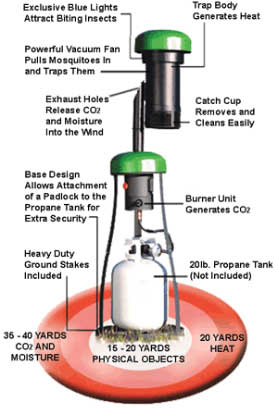
Mosquito Trap
Limit breeding areas – mosquitoes love to breed in shallow, still water. Prevent mosquitoes from breeding on your property by keeping ponds healthy, clean, and well circulated. If you have a pond, keep it stocked with fish that will eat mosquitoes and the larvae, including koi and bass. Dump out any standing water that might collect in buckets, toys, or other areas around your yard after every rain.
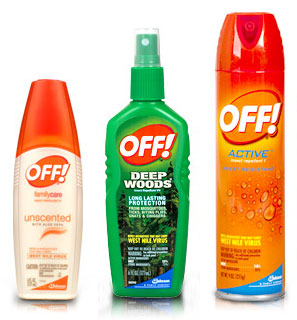
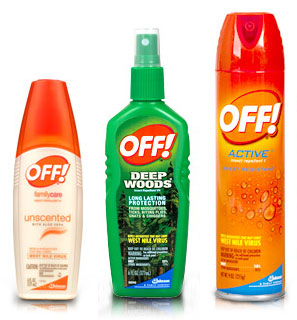
Use repellents and traps – If you are going to be out during mosquito season, make sure that everyone in your family puts on mosquito repellent. There are special products on the market for both children and pets. You can also consider a mosquito trap that will attract and kill mosquitoes, protecting up to an acre of area.
Be mosquito smart – avoid going out at dusk or dawn, since these are prime mosquito times. If you are going out at a time or to an area that is mosquito infested, wear long sleeves, pants, and socks to protect your skin.
Recently, I was personally introduced to a new way to repel mosquitoes! Since many mosquitoes have become immune to regular repellent, I figured I'd give this new way a shot!
*Take an empty spray bottle, and poor Listerine mouth wash into it. Then spray desired areas in which you will be spending time, such as on the patio floor, lawn furniture, door frames, even children's swing sets. The Listerine acts like a repellent to the mosquitoes, so the pests stay away!
I noticed that our German Sheppard dog, named Dixie, was being annoyed by mosquitoes. So we sprayed Listerine on the inside of her dog house, and so far it has kept them away! I'm not saying you have to give this new method a shot, but it truly would be well worth your time! Plus, a large jug of Listerine mouth wash is 1/4 the price of a small can of "Deep Woods Off". Your saving money and keeping the annoying pests away from you, what a deal!
Mosquitoes also affect agriculture livestock, the only difference, they attain many more welts than humans. It is proven that cattle that are attacked by many pestering mosquitoes will often spend their time trying to avoid the pests, which are found in grazing pastures, this keeping them from grass grazing. This problem could lead to many other problems, including the livestock being unfed, due to their urge to avoid the pests. Just like we use repellent, there are also repellents made for cattle, which can be purchased at most farm supply stores! So the next time you see your cattle fighting with the pests, perhaps spray some repellent on them. In the long run, this would prevent many future issues.
I wish everyone an incredible summer, beware of the bite, remember to use repellent!